
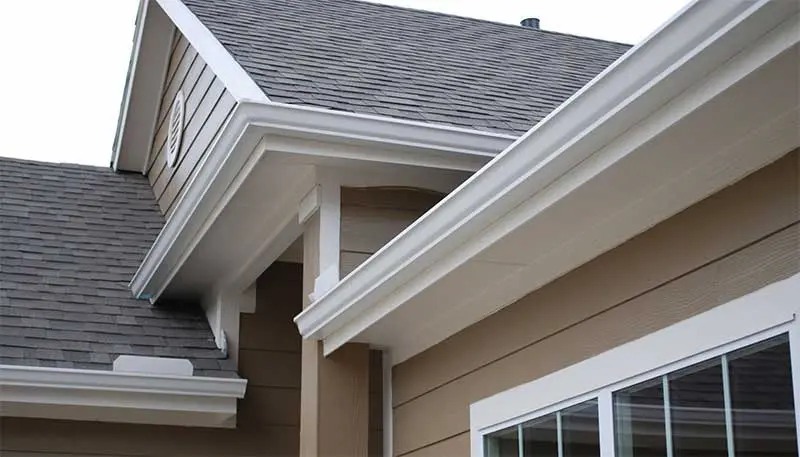
An ice dam is a ridge of ice that forms along the edge of a roof and stops melting snow from draining off. The water backs up behind it, works under the shingles and can leak into your walls and ceilings. Big icicles hanging from the eaves are usually the first sign.
Ice dams aren’t bad luck. They’re a sign that heat is escaping from your house into the attic. This guide explains why they form in Calgary, how to deal with one safely, and what actually stops them.
How an ice dam forms
- Warm air from the house leaks into the attic and warms the underside of the roof.
- The snow on the warm part of the roof melts, even when it’s well below zero outside.
- The meltwater runs down to the roof edge, which sits over the cold overhang and stays frozen.
- The water refreezes at the edge and the ice ridge grows with every melt.
- New meltwater pools behind the ridge. Shingles shed running water, but they aren’t built to hold standing water, so it seeps up under them and into the roof deck, walls and ceilings.
The key is the warm roof deck. As Natural Resources Canada puts it, if the attic is above freezing, “it warms the roof sheathing, which melts the layer of snow” (NRCan, Keeping the Heat In). On a roof that stays cold across the whole surface, snow sits there or melts evenly in the sun, and ice dams rarely form.
Why ice dams happen in Calgary
Ice dams are less of a constant problem in Calgary than in snowier places like Ottawa or Montreal, because chinooks often melt the roof snow before a big dam can build. They still happen here, and they’re most common:
- During long cold, snowy stretches, when snow sits on the roof for weeks and a warm attic keeps melting it from below.
- On north-facing roofs and shaded eaves, where the sun never helps.
- Around valleys, dormers and low-slope sections, where snow piles up and water drains slowly.
- Over spots with poor insulation or big air leaks: pot lights, attic hatches, bathroom fans and knee walls.
- Where eavestroughs are frozen solid and meltwater has nowhere to go.
- Late in the season. Calgary’s snowiest months are actually March and April (Environment Canada climate normals), so heavy, wet spring snow can bring ice dams well after the coldest weather.
Calgary also gets a close cousin of the ice dam, attic rain: frost in the attic melting during a chinook. The two get mixed up all the time. Here’s how to tell attic rain from a roof leak.
Are icicles on the roof bad?
A few small icicles after a sunny afternoon are normal. Thick icicles all along the eaves, ice building up in the eavestroughs or a solid ridge of ice at the roof edge mean heat is escaping and an ice dam is forming. It’s worth getting the attic checked.
Large icicles are also a safety hazard over doors, decks, walkways and driveways. Knock them down only if you can do it safely from the ground, and never stand underneath them.
How to deal with an ice dam safely
Do:
- Rake the snow off the lower few feet of the roof from the ground with a long-handled roof rake, if you can do it safely. Less snow means less meltwater feeding the dam. Pull gently and don’t scrape down to the shingles.
- Clear downspout outlets at ground level so water can drain away from the house.
- Catch any interior drips and protect ceilings, floors and furniture. Here’s what to do tonight if your roof is leaking.
- Call a professional if water is getting inside. Low-pressure steam is the safe way to remove an ice dam without damaging shingles, and a roofer can then repair any damage.
Don’t:
- Don’t chip at the ice with a hammer, axe, shovel or ice pick. NRCan warns that attacking ice dams this way “will damage the roof surface,” and it tears eavestroughs too.
- Don’t climb onto an icy roof. Falls from ladders and roofs in winter cause serious injuries every year.
- Don’t use open flames, heat guns or a pressure washer on the roof.
- Don’t put rock salt on the roof. It can damage your roof, metal flashing and eavestroughs, and kill the plants below.
How to stop ice dams for good
Fixing the cause means keeping the whole roof deck cold, so snow can’t melt from below. NRCan’s advice is blunt: “The best prevention for ice damming is to seal all attic air leaks and insulate thoroughly.”
1. Seal the air leaks into the attic
Most of the heat that melts roof snow comes from warm air leaking up through the ceiling: around pot lights, the attic hatch, plumbing stacks, wiring holes and the tops of interior walls. Sealing these gaps is the most effective fix there is, and it helps stop attic rain at the same time.
2. Insulate the attic properly
Once the air leaks are sealed, a deep, even layer of attic insulation keeps the heat in the house. For Calgary’s climate, NRCan’s retrofit guidance works out to roughly R-50 to R-60 in the attic. Thin spots and gaps, especially at the edges of the attic above the exterior walls, are where ice dams usually start.
3. Ventilate the attic
Good ventilation brings cold outside air in at the soffits and lets it out near the peak, keeping the roof deck cold and carrying moisture away. That means:
- clear soffit vents, with baffles so insulation doesn’t block them;
- enough exhaust venting near the top of the roof;
- the two kept in balance.
The National Building Code sets the minimum: vent area of at least 1/300 of the insulated ceiling area on most sloped roofs, with at least a quarter of it at the top and a quarter at the bottom.
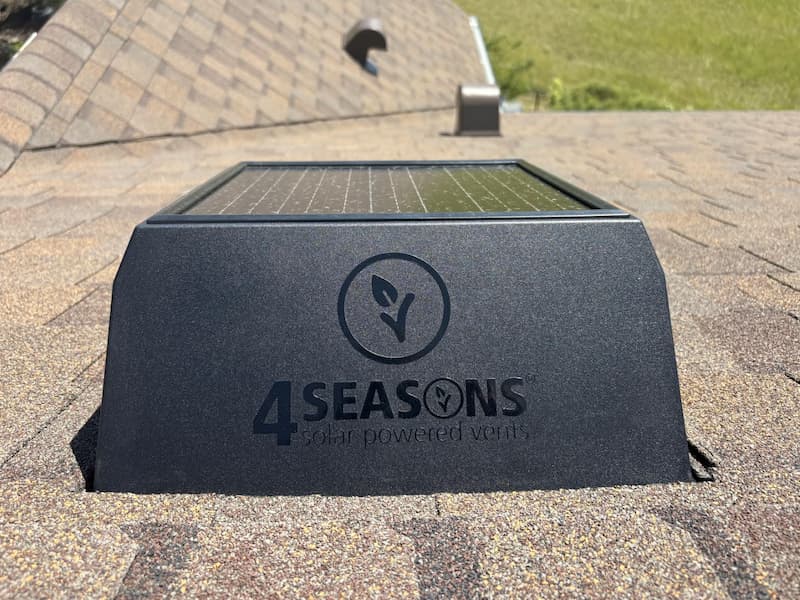
We assess this on every roof we inspect. As a certified installer, we can also add solar-powered attic vents where more airflow is needed.
4. Make sure the roof edge is protected
A self-adhering ice and water membrane under the shingles along the eaves is your backup when an ice dam does form. It doesn’t stop ice dams, but it keeps the water that backs up behind one out of the house. The National Building Code, which Alberta’s code is based on, requires eave protection on most shingle roofs in climates like ours. It has to run at least 900 mm up the roof from the edge, and at least 300 mm past the inside face of the exterior wall. Shingle makers like GAF, IKO and CertainTeed call for 24 inches (610 mm) past the interior wall line. Every roof we replace gets it, along with membrane in the valleys.
5. Keep eavestroughs and downspouts flowing
Clean eavestroughs before freeze-up, make sure they slope toward the downspouts, and keep downspout outlets clear. Our eavestrough services include fixing slope and drainage problems that cause winter ice build-up.
What about heat cables?
Heat cables, also called heat trace or heat tape, melt channels through the ice so water can drain. They can be a sensible fix for a stubborn trouble spot, like a valley or the eave over an unheated garage or porch, while the bigger fixes happen. Just know what you’re getting. NRCan says heat cables end up “sometimes alleviating a problem, but they use a significant amount of electrical energy,” and membrane maker GCP notes they “may shift the location of the ice dam” rather than prevent it. We install heat cables as part of ice dam prevention when they make sense.
Metal roofs and ice dams
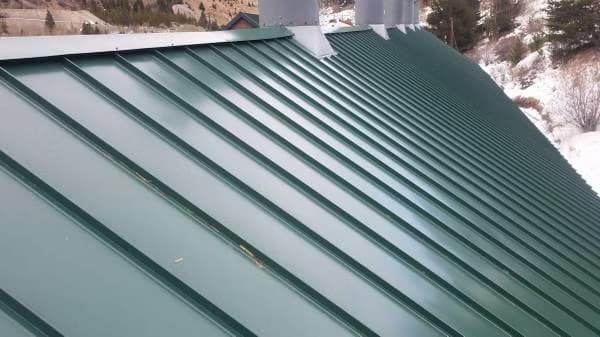
Metal roofs shed snow far more easily than shingles, which cuts down on ice dams. The snow can come off all at once, though, so we add snow guards above doors, decks and walkways. See our metal roofing page for more.
Are ice dams covered by insurance?
It depends on your policy. The Insurance Bureau of Canada says standard home policies “commonly cover sudden and accidental water damage caused by ice dams,” but “ongoing or repeated damage is considered a long-term maintenance issue,” and basic policies might not cover ice dam damage at all (IBC). Check your policy or call your broker before you need to make a claim. If water does get in, take photos, keep receipts for emergency work and call your insurer right away. Here’s how we help with roof insurance claims.
When to call a roofer
- Water stains or drips along an exterior wall or ceiling edge during a cold spell.
- Ice dams or heavy icicles in the same spots every winter.
- Damaged shingles, eavestroughs or soffit after the ice melts.
- Frost or wet insulation in the attic.
Our roof inspections are free and include the attic, which is where ice dams really start.
Frequently asked questions
What causes ice dams?
Heat escaping from the house warms the roof deck and melts the snow on it. The meltwater refreezes when it reaches the cold roof edge, building a ridge of ice that traps more water behind it. Air leaks and thin insulation are the usual culprits.
How do you get rid of an ice dam fast?
The safe way is low-pressure steam, done by a professional. At home, you can rake the snow off the lower part of the roof from the ground to stop feeding the dam. Never chip at the ice or climb onto an icy roof.
Do heat cables prevent ice dams?
They help in specific trouble spots by keeping a drainage path open, but they don’t fix the heat loss that causes ice dams. Air sealing, insulation and ventilation do.
Will a new roof stop ice dams?
A new roof with proper eave protection and balanced ventilation helps a lot, and it protects you if a dam forms. If the attic is losing a lot of heat, though, it needs air sealing and insulation too.
Do gutter guards cause ice dams?
No. Heat loss from the attic causes ice dams. Ice can build up on some gutter guards at the roof edge, though, so if you get dams every winter, fix the attic first and choose guards that suit our climate.
Are icicles a sign of poor insulation?
Heavy icicles all along the eaves usually are. They mean snow is melting on a warm roof deck and refreezing at the cold edge. A few small icicles after a sunny day are normal.