
If water stains showed up on your ceiling the day a chinook blew in after a cold snap, your roof may not be leaking at all. It’s probably attic rain, a winter problem Calgary sees a lot of because of how fast our temperatures swing.
Attic rain is frost that builds up inside your attic during cold weather and then melts all at once when it warms up. The water drips through the insulation and onto the ceiling, so it looks exactly like a roof leak. The moisture comes from inside your house, though, so the fix is in the attic, not the shingles.
How attic rain happens
Your house is full of moisture from showers, cooking, laundry, plants, humidifiers and the people living in it. Warm indoor air carries that moisture up into the attic through small gaps: around pot lights and the attic hatch, plumbing stacks, wiring holes, and bathroom fans that aren’t properly vented outside.
In winter the underside of the roof deck is cold, so when that moist air hits it, the moisture freezes into frost. The longer a cold snap lasts, the more frost builds up on the sheathing and on every nail tip poking through it. A Calgary home inspector told CBC News he’s seen it six to eight inches thick.
Then a chinook arrives, the attic warms up, and weeks of frost melt in a few hours.
Why it’s such a Calgary problem
Chinooks are why. An Environment Canada meteorologist told CBC that Calgary sees about 25 chinook days in a typical December-to-February, with temperature swings of 20 to 30 degrees not uncommon. A Calgary roofer described the attic rain trigger to CBC as the temperature going from −30 or −40 to plus five in two days.
In a lot of Canada, attic frost melts slowly through spring and has time to dry out. Here, weeks of frost can melt in an afternoon.
Newer homes aren’t safe from it either. Energy-efficient houses hold in more warm, moist air, so a few unsealed gaps around bathroom fans and light fixtures can be enough to cause attic rain, as inspectors told CBC.
Attic rain or roof leak? How to tell
| Attic rain | Roof leak | |
|---|---|---|
| When it shows up | When a chinook or mild spell follows a cold snap, often before any roof snow has melted | During rain or when roof snow is melting, and again every time it does |
| Where | Several spots at once: around bathroom fans, pot lights, the attic hatch and top-floor ceilings | One area, usually below a chimney, vent, skylight or valley, or along an outside wall |
| In the attic | Frost or water droplets on nail tips and the underside of the roof deck, damp insulation over a wide area, rust rings around nails | A water trail running down a rafter or the roof deck from one point, wet insulation in one spot |
| Pattern | Stops once the frost is gone and comes back after the next cold snap | Comes back with the next rain or melt, cold snap or not |
If you can safely get into the attic during a cold spell, take a flashlight and look at the underside of the roof deck. White frost on the nails and sheathing means moisture is getting up there. Home inspectors also suggest looking outside for water streaks running down exterior walls.
Not sure? That’s normal; plenty of homes have both. A roof and attic inspection settles it, and ours is free.
What causes attic rain
The cause is nearly always one or more of these.
- Air leaks from the house into the attic. This is the biggest one. Moist air gets in through gaps around pot lights, the attic hatch, plumbing stacks, wiring holes and the tops of interior walls.
- Bathroom fans that don’t vent outdoors. Some fans dump straight into the attic, even though the National Building Code says exhaust ducts “shall not discharge into heated or unheated enclosed spaces.” Others have ducts that have come loose, aren’t insulated or end at a soffit, where the moist air gets pulled right back into the attic. Every shower then sends moisture into the coldest part of the house.
- High indoor humidity. Humidifiers set too high, long showers with no fan running, laundry drying indoors and a lot of plants all add moisture.
- Poor attic ventilation. Soffit vents blocked by insulation, too few vents near the peak, or intake and exhaust that aren’t balanced. Good ventilation carries moisture out, but it can’t keep up with big air leaks on its own.
What to do while it’s dripping
- Catch the drips and protect furniture and floors.
- If water is coming through a light fixture, switch that circuit off at the panel.
- Run bathroom fans that vent outside, and turn humidifiers down or off. Home inspectors recommend doing that during extreme cold anyway.
- Take photos of the ceiling and, if you can safely get up there, the attic. You’ll want them for your insurer or new home warranty.
- Book an inspection once it’s dried out. Wet insulation flattens out and loses much of its insulating value, and damp wood and drywall can grow mould if the cause isn’t fixed.
For the full step-by-step, see roof leaking in winter: what to do tonight.
How to stop attic rain for good
The order matters. Adding vents without stopping the moisture usually doesn’t solve it. For a frosty attic, Natural Resources Canada’s advice is to “vent the space, thoroughly seal all air leaks and reduce humidity levels in the house” (NRCan).
- Seal the air leaks in the attic floor: pot lights, the attic hatch, plumbing stacks, wiring holes and wall top plates.
- Vent bathroom fans properly to the outdoors. That means an insulated duct that runs as short and straight as possible to a proper roof or wall cap, never into the attic or onto a soffit. A timer helps the fan run long enough after showers.
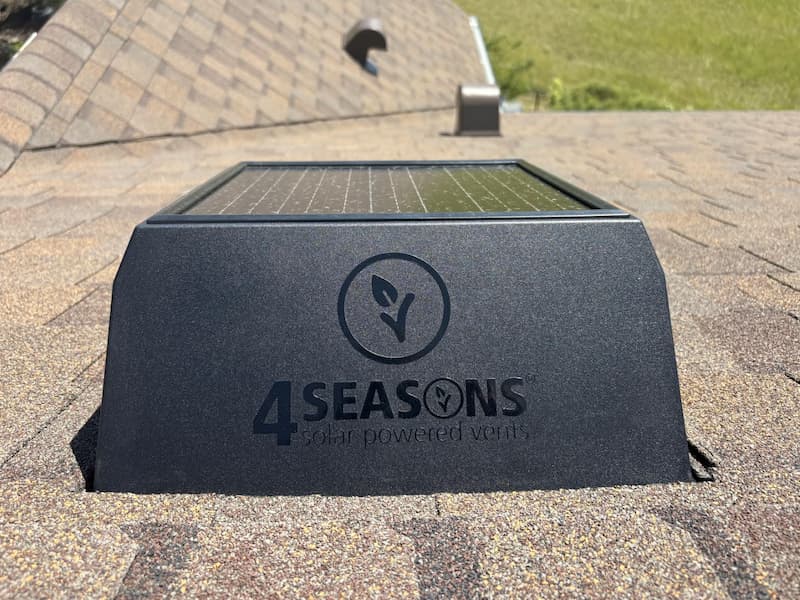
- Balance the attic ventilation. Clear the soffit vents (baffles keep insulation from blocking them) and make sure there’s enough exhaust venting near the peak. The building code sets a minimum amount of vent area based on the size of the attic. Solar-powered attic vents add airflow without adding to your power bill.
- Keep indoor humidity in check in winter, especially on the coldest days. Turn humidifiers down when it’s bitterly cold, and run kitchen and bathroom fans.
- Top up the insulation once the air sealing is done.
What a roofer can fix, and what an insulation contractor fixes
We handle the roof side of attic rain:
- Proving it isn’t a leak. We check whether a real roof leak is behind your stains.
- Ventilation. We balance the soffit intake and the exhaust vents near the peak.
- Bathroom fan roof caps. We add or fix them so the fans vent outside.
- Solar-powered attic vents. We’re a certified 4 Seasons installer.
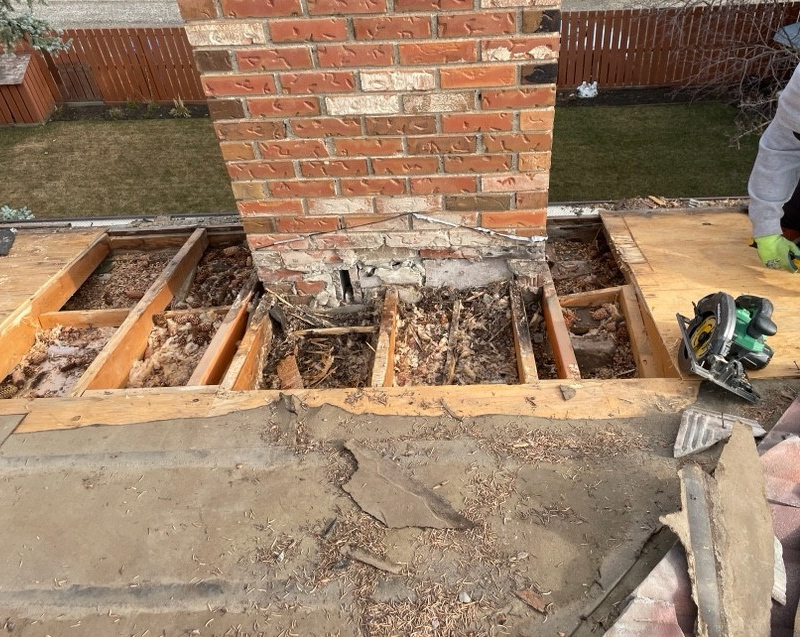
- Damaged decking. We replace roof deck that frost and moisture have damaged.
A full air sealing and insulation upgrade is insulation-contractor work, and we’ll tell you honestly if that’s what your attic needs.
A new roof is the best time to fix it
If you’re replacing the roof and you’ve had attic rain, tell your roofer before the work starts. With the old roof off, the ventilation can be redone properly, soft or mouldy decking replaced, and bathroom fan vents routed through proper roof caps. Every Peakline roof replacement includes a ventilation assessment, so the new roof isn’t sitting on the same attic problem.
Is attic rain covered by insurance or a new home warranty?
Home insurance: Policies often exclude damage from condensation or moisture that builds up over time, but wording varies a lot. Call your insurer or broker, describe what happened, and keep your photos.
New homes: Alberta’s mandatory new home warranty covers the building envelope for five years and delivery and distribution systems, which include ventilation, for two years (Government of Alberta). If your home is newer and you’re getting attic rain, contact your builder’s warranty provider before you pay for repairs.
Frequently asked questions
What is attic rain?
Attic rain is frost that builds up on the underside of the roof deck during a cold snap, then melts all at once when the temperature jumps, usually during a chinook. The water drips through the insulation and ceiling and looks like a roof leak.
What causes attic rain in Calgary?
Warm, moist air leaking from the house into a cold attic, mostly through gaps around lights, the attic hatch and plumbing, and through bathroom fans that don’t vent outdoors. Calgary’s chinooks make it worse, because frost that builds up in a cold snap melts in hours instead of slowly drying out.
Is attic rain dangerous?
It can be. Water near light fixtures is an electrical risk, wet insulation stops insulating properly, and repeated wetting can stain drywall and grow mould on the roof deck. It’s worth fixing the first winter you see it.
How much does it cost to fix attic rain?
That depends on the cause. Re-routing a bathroom fan duct or adding roof vents is a small job, while a full attic air seal and insulation upgrade is a bigger one. A free inspection tells you which one you need before you spend anything.
Will a new roof fix attic rain?
Not on its own. New shingles don’t stop moist air getting into the attic. A roof replacement is the best time to fix ventilation, bathroom fan venting and damaged decking, though, and that combined with air sealing is what stops attic rain.
Does attic rain mean I need more roof vents?
Not always. Most cases start with air leaks and badly vented bathroom fans. Vents help move moisture out, but they can’t make up for a house pumping moist air into the attic. Fix the leaks first, then balance the ventilation.